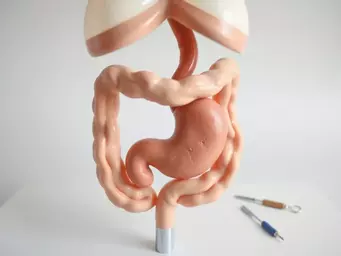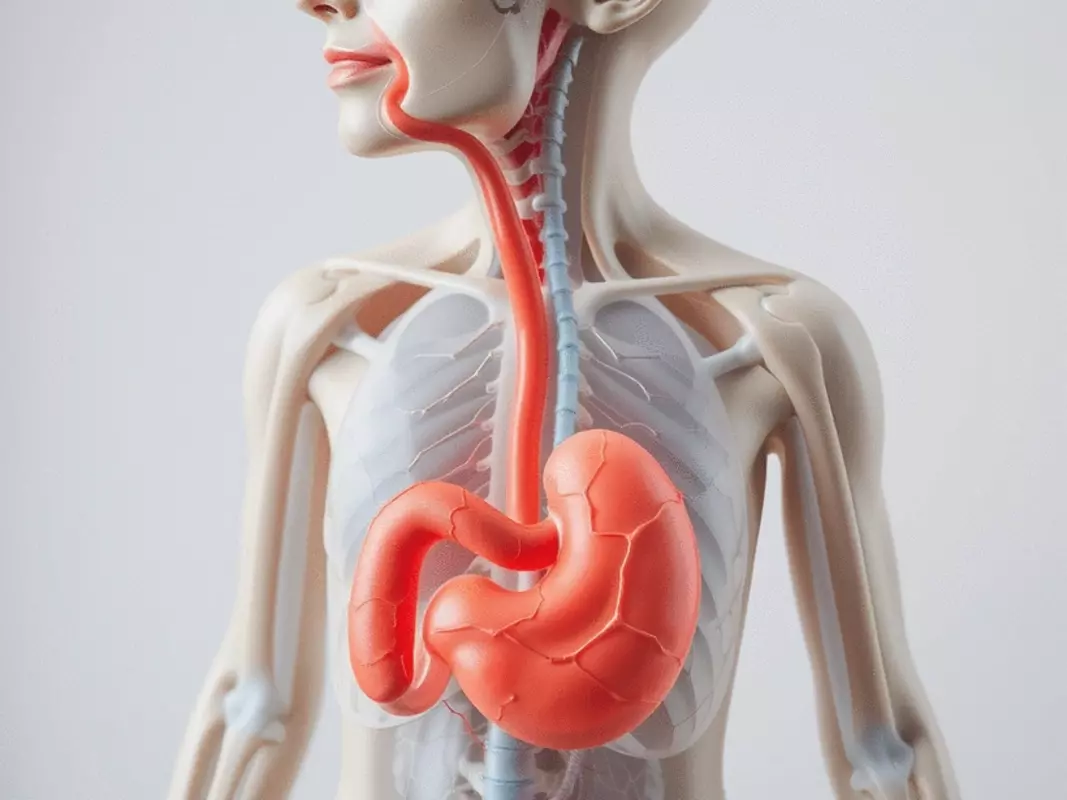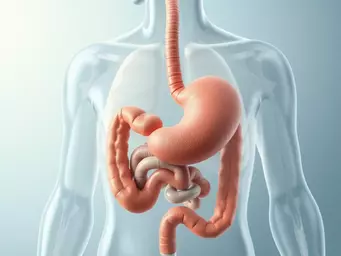

Acid reflux, also referred to as gastro esophageal reflux disease or GERD for short, is a chronic condition that causes a person’s liquid stomach contents—including stomach acids, pepsin, and bile—to back up into the esophagus. This backward motion is called reflux. Even in the average healthy person, some acid reflux does occur. The difference is that in the patient with acid reflux, the contents that are refluxed consist of a much higher concentrate of stomach acid, and the acid stays in the esophagus for a longer period of time.
When the stomach regurgitates its contents back up into the esophagus, the liquid can irritate and inflame the lining of the esophagus, eventually causing permanent damage. Luckily this only happens in a minority of people dealing with acid reflux. However, small the risk, it is a very serious one. Repeated irritation of the esophagus increases your risk of developing Aden carcinoma.
The liquid that is refluxed from the stomach to the esophagus contains chemical and substance produced by the stomach including bile, pepsin, and acid. The bile has been regurgitated into the stomach from the part of the small intestine that joins the stomach, called the duodenum. Pepsin is a digestive enzyme that breaks up proteins in the stomach. Stomach acid is primarily responsible for causing damage to the esophagus, but pepsin and bile can cause trouble as well.
One telltale sign of acid reflux, or gastro esophageal reflux disease, is heartburn. When heartburn occurs, there is a reflux of stomach acid resulting from a weakness in the sphincter muscle between the stomach and the esophagus. In terms of discernable symptoms, heartburn manifests itself in the form of chest pain.
In general, acid reflux takes place most often during the day. Fortunately, during the day a person is usually standing erect or sitting upright. When you sit or stand, the regurgitated liquid is more likely to sink back down into your stomach, because of gravity. (For this reason, if you suffer from heartburn, you should avoid lying down after meals, and should sit or stand instead). Also during the day, when you’re awake, you swallow repeatedly and that washes refluxed acid, bile, and pepsin, down into your stomach. Saliva additionally contains bio-carbonates that neutralize the acids that do reach the esophagus and could otherwise potentially damage it. Swallowing, gravity, and saliva play a crucial role in protecting your esophagus. But, unfortunately, at night, when you’re lying down, gravity is no longer on your side, and saliva production decreases because you’ve stopped swallowing. So although reflux occurs less frequently at night, nighttime occurrences are without those suppressive mechanisms and the damaging symptoms can therefore be much more severe.
There is no cure for acid reflux. There are, however, medications that can help you to effectively manage your symptoms. But don’t make the mistake that so many other patients have by stopping their medication once they are feeling better and their esophagus has healed. Acid reflux and is symptoms, including, related esophageal damage, almost invariably returns within a matter of months. In most cases, GERD management is a life-long process.